Aircon Gas Leak: Signs, Dangers & What to Do
Suspect an aircon gas leak? Learn the warning signs, health risks, and what steps to take. Expert advice from licensed technicians in Singapore.
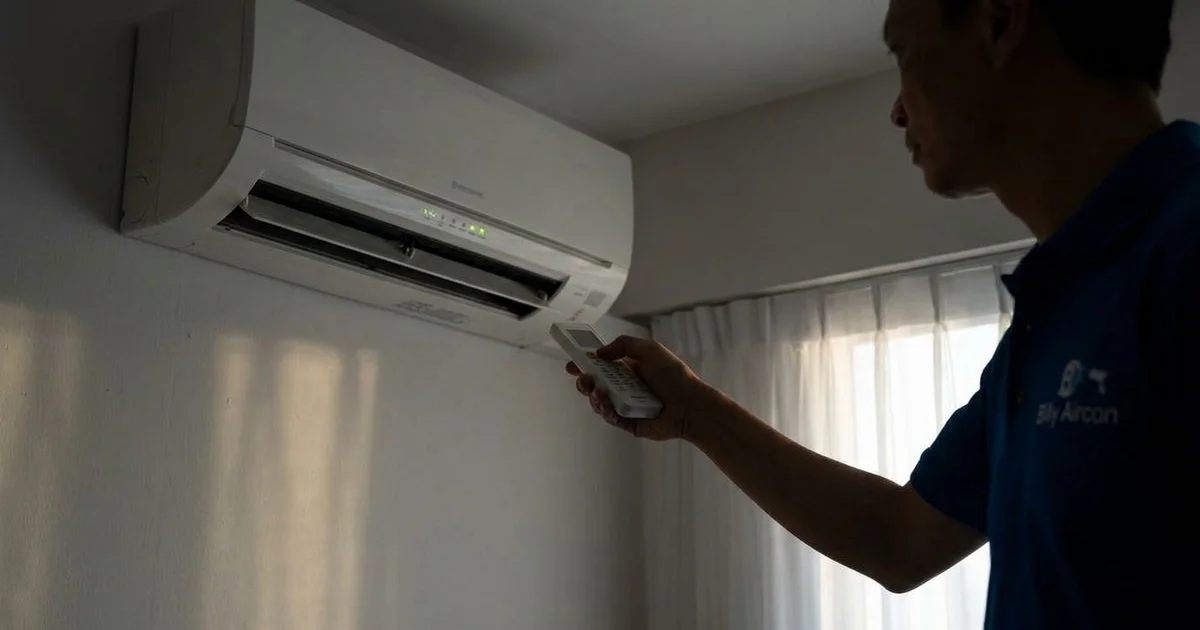
We know the frustration of turning on the air conditioner after a long day in Singapore, only to feel warm air blowing back at you. That sudden drop in cooling performance often points directly to a gas leak.
Billy Aircon started back in 2003 with just five technicians, and over the years, our team of 26 aircon servicing Singapore specialists has seen exactly how these leaks develop.
Many property owners assume a simple top-up will solve the problem. The reality is that adding more refrigerant without finding the hole is like pouring water into a cracked bucket.
Our goal today is to break down the exact symptoms of an Aircon Gas Leak: Signs, Dangers & What to Do, alongside the proper steps to fix it permanently.
Signs of an Aircon Gas Leak
Understanding the full scope of an Aircon Gas Leak: Signs, Dangers & What to Do begins with recognising the early physical symptoms in your unit.
1. Hissing or Bubbling Sounds
A hissing sound near the indoor unit often indicates gas escaping through a small hole or loose connection in the refrigerant piping. You might hear this specifically near the thermostatic expansion valve.
Bubbling noises usually suggest the leak is happening at a joint where the copper pipe connects. This happens because the refrigerant is under high pressure, and even a pinhole leak forces the gas out forcefully.
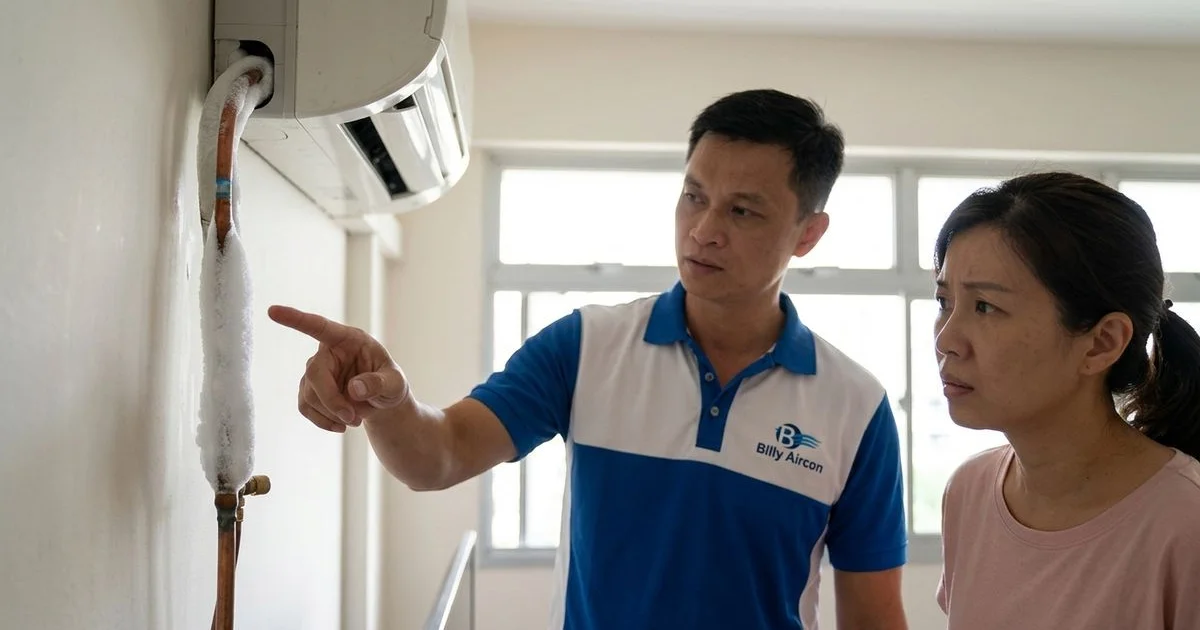
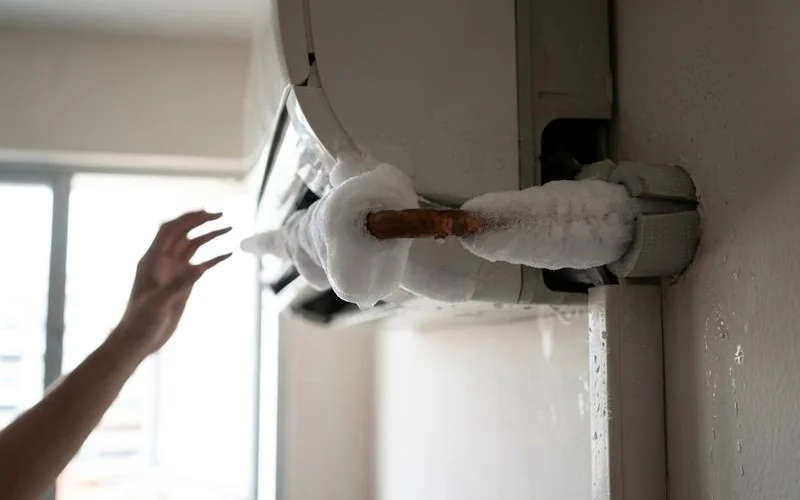
2. Ice on Pipes or Coil
When gas levels drop, the pressure inside the system decreases rapidly. The evaporator coil then gets abnormally cold, causing ambient moisture to freeze onto the surface.
Pro Tip: Never use a sharp tool to chip away the ice on your copper pipes. You risk puncturing the metal and turning a small leak into a major repair.
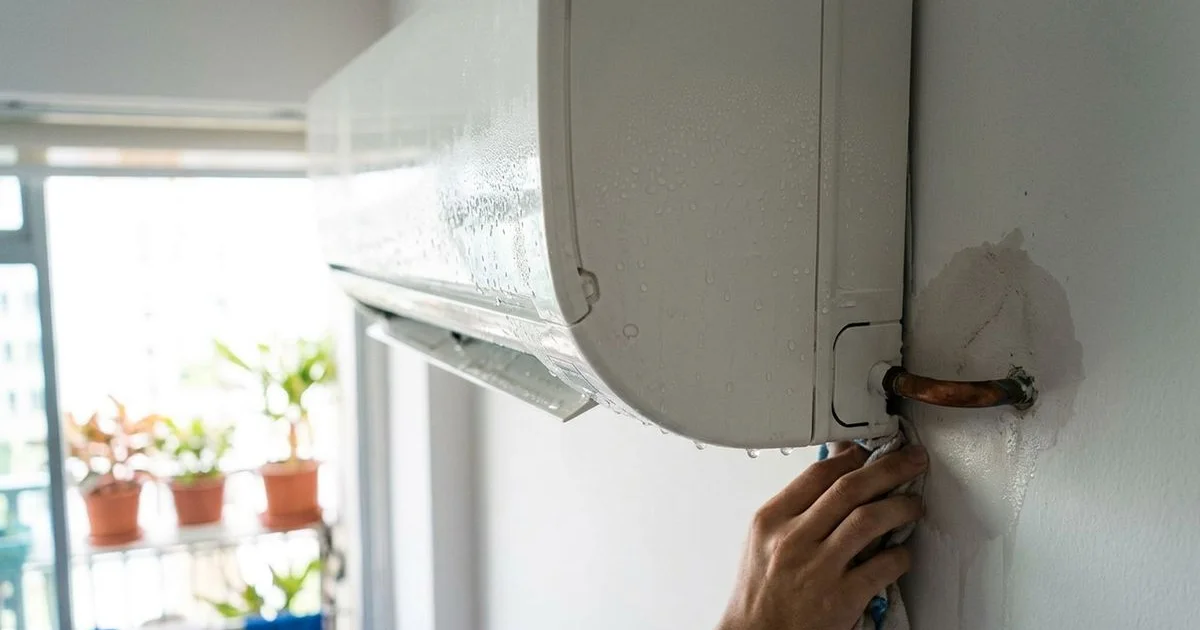
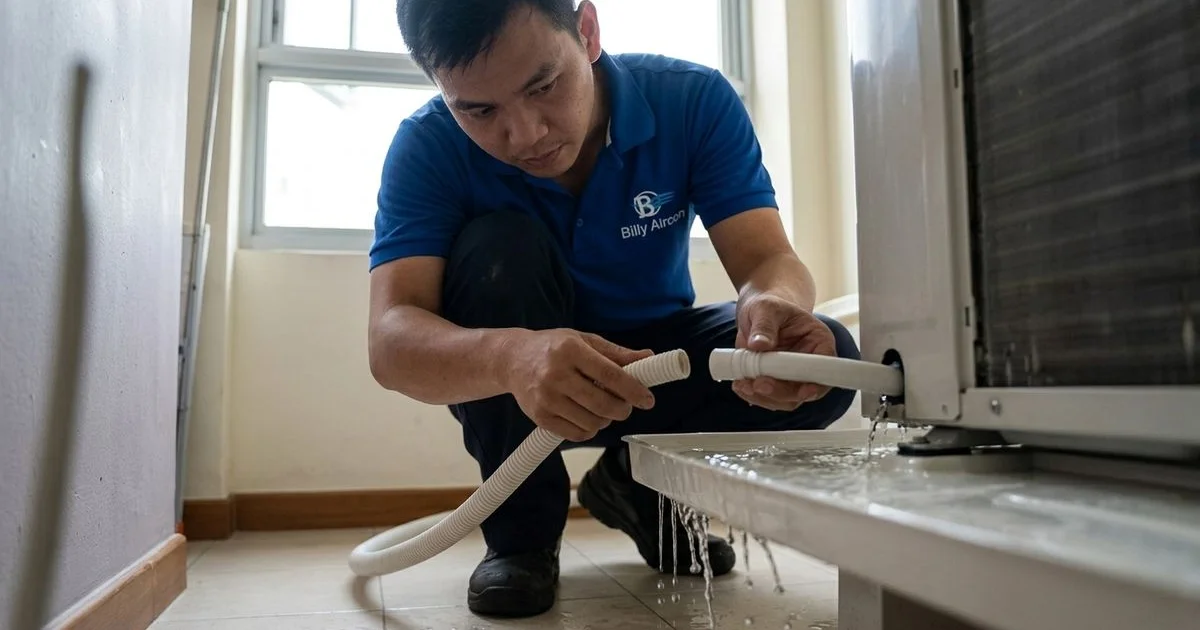
If you see frost or ice on the copper pipes leading to the outdoor unit, suspect a gas leak immediately. Once this ice eventually melts, it often leads to a major water leak inside your room.
3. Warm Air Despite Normal Operation
The most obvious sign is when your aircon is running but producing warm or lukewarm air. There is simply not enough gas to complete the refrigeration cycle.
You might notice these accompanying symptoms:
- The compressor turns on and off rapidly (short cycling).
- The room takes hours to cool down.
- The air blowing from the vent feels humid and sticky.
This means the system is struggling to reach the target temperature. Learn more about the signs of low refrigerant gas in your aircon.
4. Oily Residue Near Connections
Refrigerant oil always travels alongside the gas inside your cooling system. Look for greasy, oily spots on pipe connections, joints, or the outdoor compressor unit.
Modern systems use specific compressor oils like Polyolester (POE) oil. This lubricant leaves a distinct shiny residue when it escapes with the leaking gas.
5. Higher Electricity Bills
A system with a gas leak works much harder to achieve the same cooling effect, consuming significantly more electricity. Studies show that a leaking unit can increase your energy consumption by up to 20 percent.
| Aircon Condition | Estimated Monthly Consumption | Estimated Cost (at 29.11 cents/kWh) |
|---|---|---|
| Normal Operation | 400 kWh | $116.44 |
| Leaking Gas (+20%) | 480 kWh | $139.72 |
With the SP Group electricity tariff set at 29.11 cents per kWh for the first quarter of 2026, that extra workload translates to a noticeable spike in your monthly utility costs.
The Hidden Dangers of Refrigerant Leaks
Health Risks in Enclosed Spaces
Modern refrigerants like R410A and R32 are safer than older chemicals, but they still pose risks. Leaking refrigerant in a closed, unventilated room displaces oxygen.
Short-term exposure can lead to dizziness, headaches, and nausea. You should always ensure proper ventilation if you suspect a leak.
Environmental Impact and Strict Regulations
Refrigerants are potent greenhouse gases that contribute to climate change. The National Environment Agency (NEA) actively regulates these chemicals in Singapore to protect the environment.
Since October 2022, the NEA banned the supply of new room air conditioners using high Global Warming Potential (GWP) gases like R410A. The current standard is the more eco-friendly R32 refrigerant. Releasing these gases into the atmosphere violates environmental guidelines and damages the ozone layer.
What to Do If You Suspect a Leak
Our immediate advice is to act quickly but safely. Follow these steps to protect your equipment and your health.
- Do not panic: Residential refrigerant leaks are not immediately fatal in well-ventilated rooms.
- Turn off the unit: You must prevent compressor damage because running a system without sufficient gas causes the compressor to overheat.
- Ventilate the room: Open all your windows and doors to let fresh air circulate and clear out any escaped gas.
- Call a professional: Do not attempt to fix refrigerant leaks yourself or try to patch high-pressure copper pipes with tape.
How We Fix Gas Leaks
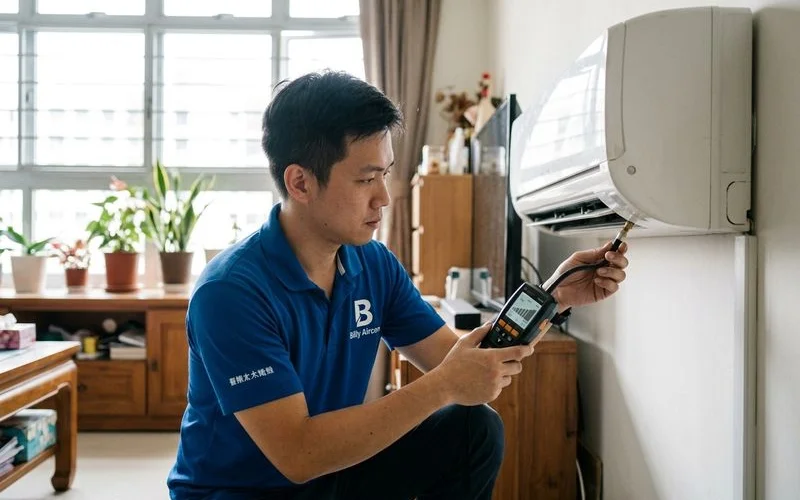
Our technicians use highly sensitive electronic leak detectors to trace the exact source of the problem. The process involves a rigorous pressure testing method using nitrogen gas up to specific PSI levels to pinpoint even the smallest microscopic holes.
Depending on where the leak is located, the repair process varies.
- Flare joint leaks: The technician re-flares the copper tubing and tightens the connection securely.
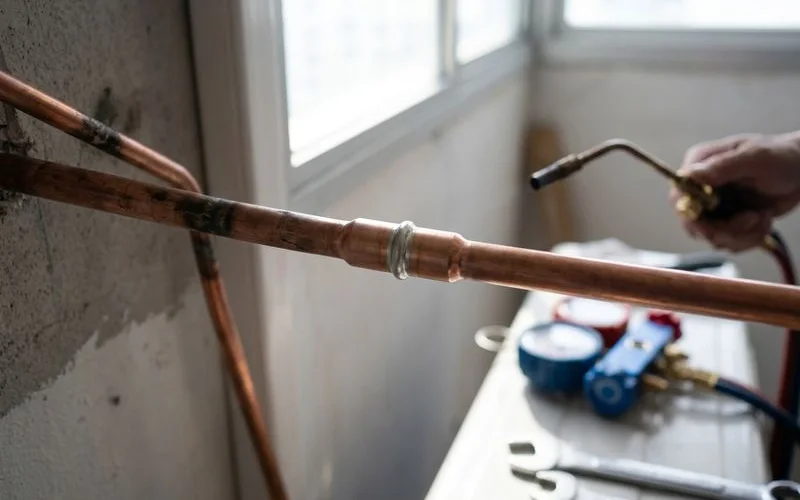
- Pipe leaks: The damaged section of the pipe requires brazing to seal the copper permanently.
- Coil leaks: Highly corrosive environments might severely damage the evaporator coil, requiring a full replacement.
After the repair is complete, the entire system is pressure-tested again and vacuumed to remove any moisture. We then recharge the system with the precise amount of refrigerant using a digital scale. You can read more about our gas top-up procedures for further details.
Simply topping up the system without fixing the underlying hole is a complete waste of money. The gas will eventually escape again, leaving you with the exact same problem. Our team always identifies the root cause before adding any new chemical.
Now that you understand the reality of an Aircon Gas Leak: Signs, Dangers & What to Do, taking immediate action is your best defence against expensive repairs.
Suspect a gas leak? WhatsApp us for a same-day diagnosis.
If your aircon is not cold, a gas leak is very likely the main culprit. Let us restore your cooling safely and efficiently.

Written by
PhilipsChief Technical Leader
Founder of Billy Aircon with 25 years of aircon servicing experience in Singapore.
Need Professional Aircon Help?
Our team of 26 experienced technicians is ready to help. 90-day warranty on all services.
WhatsApp for Instant Quote