Aircon Insulation: Why It Matters & Signs of Damage
Damaged aircon insulation causes condensation and energy waste. Learn how to spot insulation problems and when to replace pipe insulation.
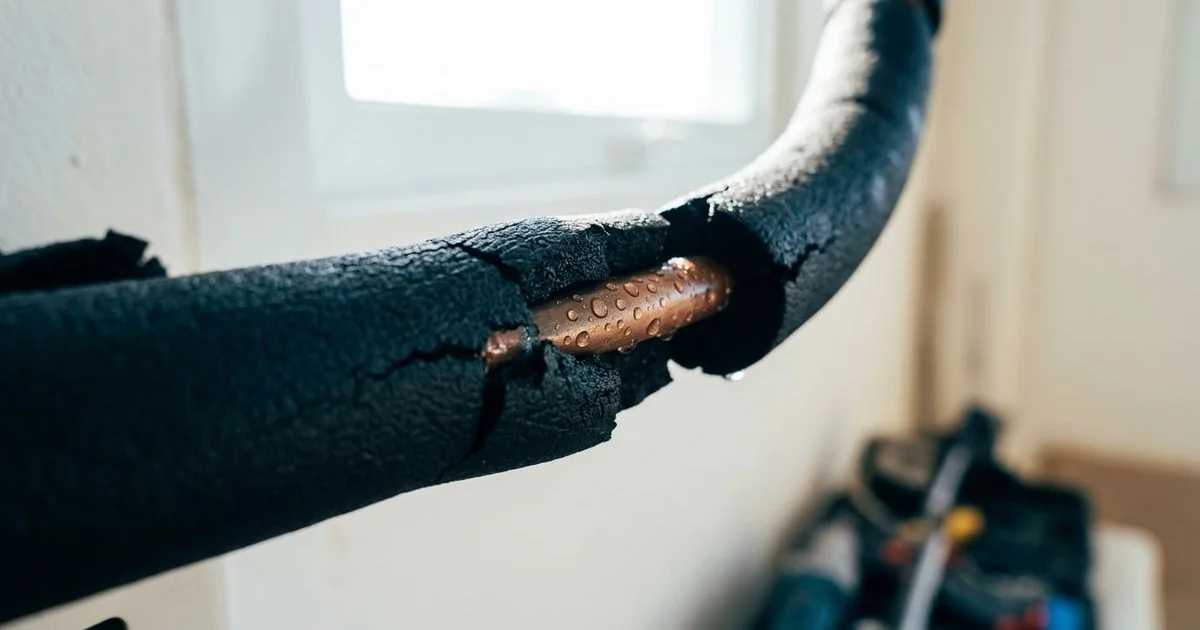
You know how a seemingly minor detail can often cause the biggest headache in property maintenance.
Aircon pipe insulation is exactly that kind of detail. This basic foam covering does the heavy lifting to stop condensation and prevent cooling loss.
We find that many homeowners only notice it once water starts pooling on their expensive flooring.
Since founding Billy Aircon in 2003 with just five people, our team has grown to 26 aircon servicing Singapore experts dedicated to keeping Singapore cool. That experience has taught us that damaged insulation drops cooling efficiency by a massive 10 to 20 percent.
The goal of this guide on Aircon Insulation: Why It Matters & Signs of Damage is to break down the exact reasons this degradation happens and outline the specific warning signs you need to monitor. Let us explore a few practical ways to respond before a small drip turns into a costly repair.
Why Insulation Matters
The copper pipes connecting your indoor and outdoor aircon units carry extremely cold refrigerant gas. When discussing Aircon Insulation: Why It Matters & Signs of Damage, we always explain to clients that these lines need a strong thermal barrier to function correctly in a tropical climate. Without proper insulation, the system immediately faces two major functional problems.
- Condensation forms rapidly on the cold pipes when the warm, humid air in Singapore contacts them. This moisture accumulation causes water to drip directly onto your walls, ceilings, and furniture.
- Energy is wasted as the refrigerant absorbs ambient heat through the uninsulated sections of the pipe. This thermal transfer reduces total cooling efficiency by 10 to 20 percent.
We highly recommend using closed-cell elastomeric foam to prevent these exact issues. Industry standard materials like Armaflex Class 0 or Class 1 rubber foam provide excellent thermal resistance. Upgrading to a 1/2-inch insulation thickness, rather than the basic 3/8-inch standard, gives you a much better defense against condensation in our high humidity.
Signs of Insulation Damage
Visual Surface Warnings
Spotting physical deterioration early can save you from expensive property repairs. We advise property owners to inspect the visible sections of their cooling system every few months. Catching these early signs gives you time to react before the damage spreads.
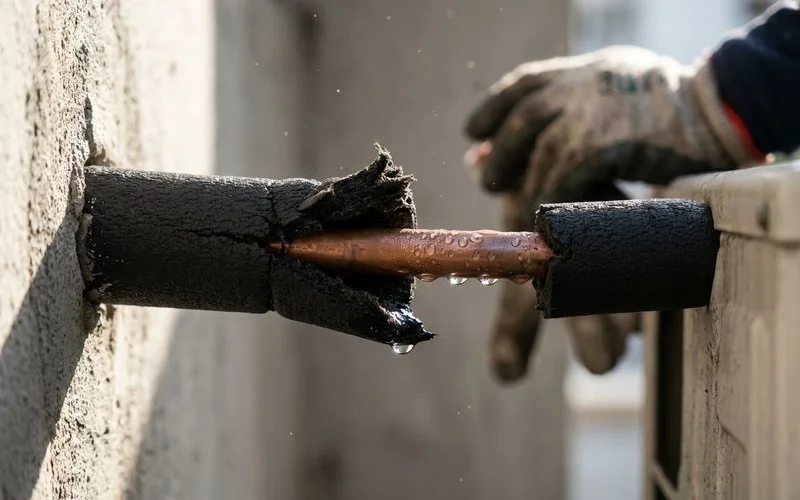
- Water stains or drips: Look for discoloured patches along the pipe route on your walls or ceiling.
- Visible material degradation: Watch for gaps, tears, or crumbling in the black foam insulation material.
- Mould growth: Black mould often thrives on or near the damp pipes, especially in poorly ventilated corners.
Our technicians frequently see severe water marks on false ceilings in older condominiums. A complete piping replacement for a System 3 HDB setup due to severe condensation damage can cost close to $1,000. Here is a practical insider tip for you to use. Always check the bottom edges of the plastic trunking joints near the fan coil unit, as water often pools inside the casing before it ever stains the wall.
System Performance Drops
Sometimes the signs of failing insulation are completely hidden behind your walls. You will usually feel or pay for these issues before you actually see them. Monitoring your daily usage patterns is the easiest way to catch hidden thermal leaks.
- Increased electricity consumption: A spike in your utility bill often means the compressor is working overtime to compensate for heat gain.
- Reduced cooling performance: If your room takes twice as long to reach the standard 24 degrees Celsius, compromised insulation might be the culprit.
We recently noted that uninsulated pipe brackets alone can account for significant thermal transfer in a system. The compressor simply cannot deliver cold air efficiently if the refrigerant warms up while passing through exposed copper sections. Replacing these degraded sections restores that lost 10 to 20 percent efficiency margin.
Common Causes of Damage
Environmental Wear and Tear
The physical environment around your property plays a huge role in how long your materials last. We see outdoor elements destroy protective foam much faster than indoor conditions. Understanding these external factors helps you plan your maintenance schedule.
- UV exposure: Direct sunlight aggressively degrades black foam insulation over time. This is especially common on the exposed outdoor sections near the compressor brackets in HDB service yards.
- Age: Standard insulation material naturally breaks down and loses its elasticity after 5 to 10 years of continuous use.
Our service teams regularly replace outdoor piping insulation because the sun makes the material brittle and flaky. Applying a UV-resistant protective tape over the foam can easily double its lifespan in these exposed areas.
Installation and Pest Issues
Beyond the weather, structural choices and local wildlife can ruin your cooling infrastructure. We always warn clients that cutting corners during the initial setup leads to premature failures. High-quality materials are your best defense against these unexpected threats.
- Poor initial installation: Inadequate wrapping, stretching the foam too thin, or using cheap materials leads to fast degradation.
- Pests: Rats and insects frequently chew through soft pipe insulation to build nests or find water.
We often find that budget installations use standard wire gauge 23 (SWG 23) copper pipes with thin 1/4-inch insulation. Upgrading to a thicker SWG 22 copper pipe paired with 1/2-inch Armaflex insulation provides a much stronger barrier against both pests and temperature fluctuations. This upgraded pairing handles higher operating pressures and resists physical damage far better than standard contractor materials.
When to Replace
You should replace your insulation whenever you notice visible deterioration, persistent condensation along the pipe routes, or when installing a completely new cooling unit. We inform property owners that the raw foam material itself is relatively inexpensive. The actual expense comes from the skilled labour required to access and properly wrap the pipes, especially if they are concealed within false ceilings.
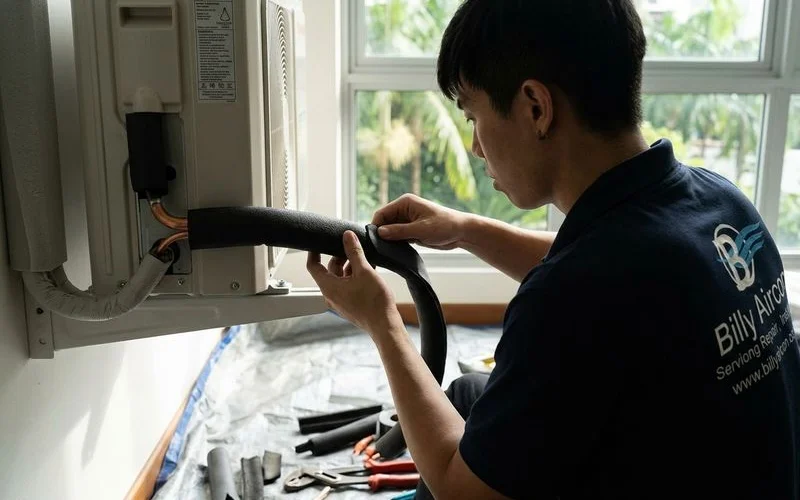
If you decide to overhaul your piping, taking the opportunity to upgrade your drainage system is a smart move. Our experts recommend swapping the standard 13mm PVC drainage pipes for wider 16mm PVC pipes to ensure smoother water flow and reduce the risk of future blockages. You can learn more in our detailed aircon piping guide.
| Piping Layout | Labour Cost Factor | Future Maintenance Access |
|---|---|---|
| Exposed Trunking | Generally lower | Fast and easy to inspect visually |
| Concealed Piping | Significantly higher | Requires opening access panels or cutting plaster |
Conclusion
During regular servicing, you should always ask your technician to inspect the visible foam sections near the fan coil. For damaged insulation that is already causing active water leak issues, you can directly WhatsApp us for a fast site assessment.
If you are planning a complete aircon installation, verify that your contractor uses premium materials specifically rated for Singapore’s tropical climate.
Understanding Aircon Insulation: Why It Matters & Signs of Damage is the first step. Getting these basic details right on day one saves you from dealing with damp walls and high electricity bills later on.

Written by
PhilipsChief Technical Leader
Founder of Billy Aircon with 25 years of aircon servicing experience in Singapore.
Need Professional Aircon Help?
Our team of 26 experienced technicians is ready to help. 90-day warranty on all services.
WhatsApp for Instant Quote