How to Protect Your Aircon from Pests in Singapore
Cockroaches and insects in your aircon? Learn why pests nest in AC units and how regular chemical wash prevents infestations in Singapore homes.

Many homeowners are surprised to learn that their indoor cooling unit is a prime breeding ground for insects. Our team of 26 dedicated technicians encounters this unpleasant problem daily across Singapore. Finding cockroaches or insects in your aircon is a common issue caused by the warm, dark, and moist environment inside the casing.
Understanding how to protect your aircon from pests in Singapore requires a targeted approach.
We will outline exactly why these infestations happen and show you the most effective ways to stop them.
Why Pests Love Your Aircon
The indoor unit provides an ideal microclimate for pests to thrive in the tropical weather. We consistently find that German cockroaches and common house geckos, locally known as cicaks, are the worst offenders. These creatures are naturally drawn to the specific conditions generated by your cooling system. German cockroaches, for instance, prefer temperatures between 25 and 30 degrees Celsius, which perfectly matches a resting unit.
Pests are attracted to four main elements inside the casing:
- Consistent Warmth: Electronic components and circuit boards generate a steady heat source.
- Constant Moisture: The 80 to 90 percent ambient humidity in Singapore creates heavy condensation on the evaporator coil and drainage tray.
- Complete Darkness: The sealed housing offers a safe, predator-free nesting space.
- Plentiful Food: Bacteria, mould, and organic skin cells accumulate on the filters to create a biofilm that insects eat.
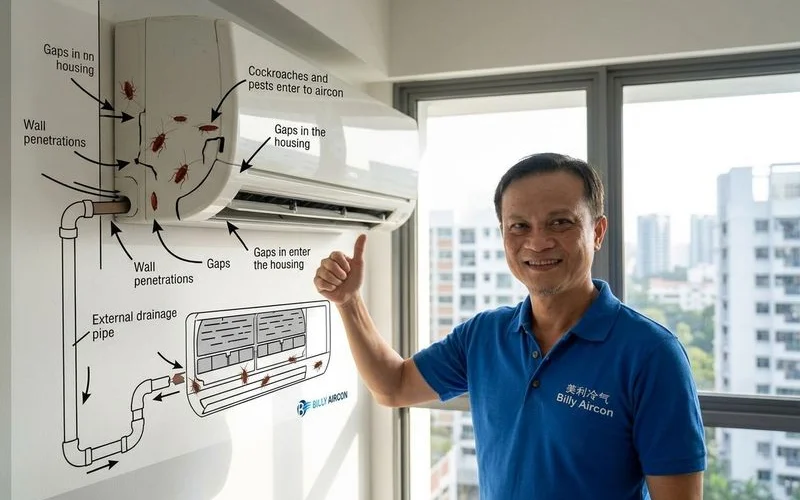
Our routine inspections often reveal that ants and small lizards enter through tiny wall gaps or an unsealed drain pipe. Once inside, they reproduce rapidly and contaminate the cooled air circulating through your bedroom or office. A trapped cicak can even jam the cylindrical blower wheel, causing severe mechanical damage and an awful rotting smell.
Signs of Pest Infestation
We advise clients to stay alert for the early warning signs of an infestation before it causes a system breakdown. Spotting a problem quickly can save you from expensive repairs. The most obvious indicator is often a strange noise or an unexplainable odour filling the room. Our team recommends looking out for these specific red flags:
- Distinctive Droppings: Cockroach waste often looks like dark coffee grounds scattered below the blower opening.
- Unusual Noises: Scratching or faint clicking sounds usually mean a cicak or large insect is walking on the plastic fan blades.
- Acrid Odours: An oily, pungent smell indicates a roach nest, which is very different from a standard musty mould issue.
- Filter Debris: Finding shed exoskeletons, egg casings, or dead ants on the primary dust filter during your monthly cleaning.
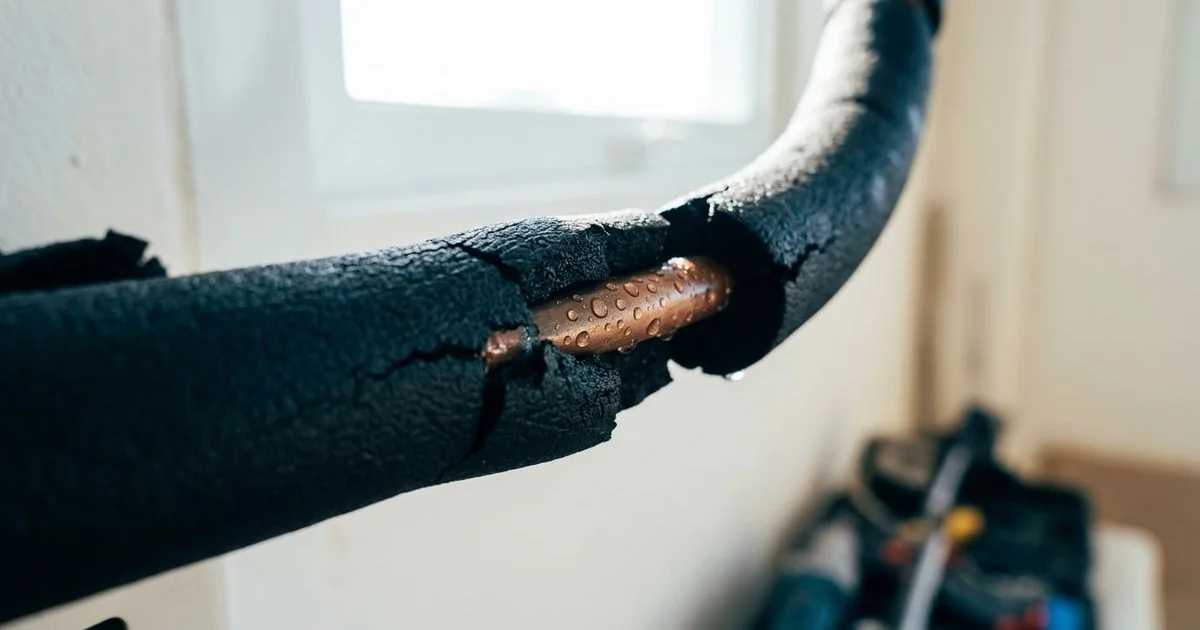
- Physical Damage: Small bite marks or holes appearing on the foam pipe insulation or the PVC drainage pipe.
How to Prevent Pests
Keeping your equipment clean and physically sealed is the best defence against unwanted visitors. A proactive approach stops insects from treating your bedroom unit like a free hotel. We have developed a proven methodology based on industry best practices to secure your cooling system. Follow these four specific steps to maintain a hygienic environment. Taking these precautions protects your investment.
1. Regular Servicing
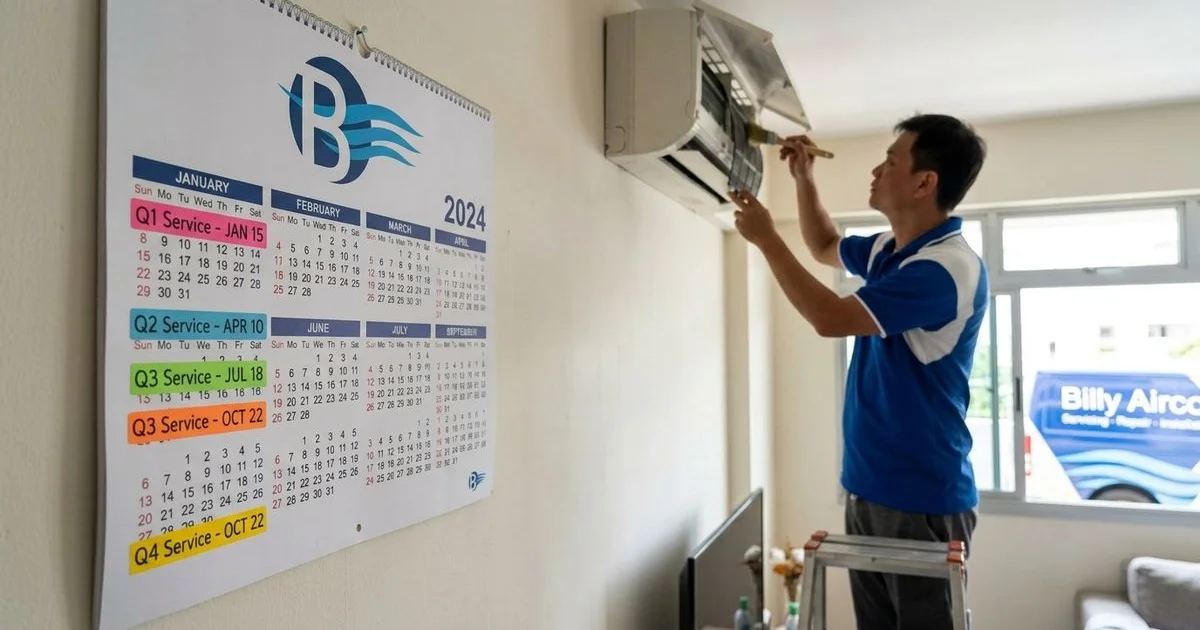
Our basic maintenance protocol removes the food sources that bugs rely on for survival. The most effective prevention strategy is scheduling professional aircon servicing every three to four months. Routine vacuuming and wiping eliminate the layer of organic dust and biofilm that feeds hungry cockroaches. Clean systems simply do not offer the nutrients required to sustain a pest colony.
2. Chemical Wash
We strongly suggest a deep clean for units located near kitchens or ground-floor gardens. Booking an annual chemical wash completely dissolves the stubborn, jelly-like bacteria embedded deep inside the fins. This alkaline treatment flushes the entire drainage system to destroy any hidden mosquito larvae or roach eggs. Removing this dense organic matter eliminates the primary scent markers that attract new insects to the casing.
3. Seal Entry Points
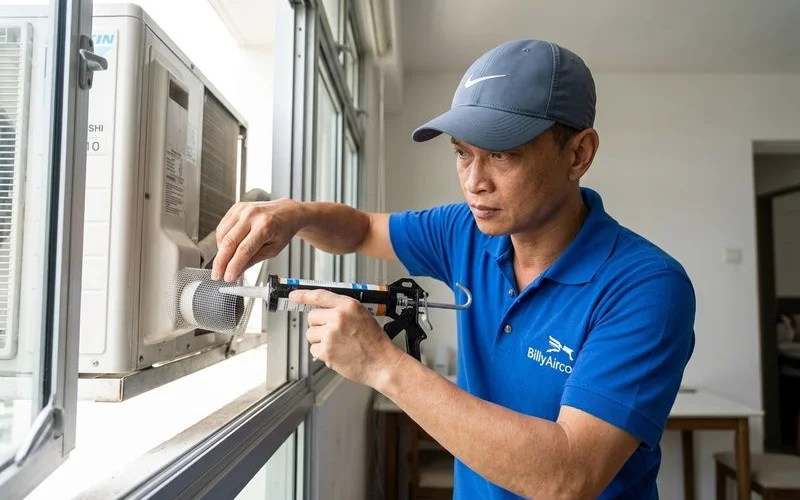
Our technicians always inspect the wall penetrations during a standard visit. You must seal the gap where the copper refrigerant pipes pass through your HDB or condo wall. Contractors often leave a small opening that serves as a direct highway for ants and lizards. We recommend using expanding polyurethane foam or a neutral-cure silicone sealant to block these structural gaps entirely.
Proper pipe coverage is equally critical for preventing condensation. High-quality closed-cell elastomeric rubber insulation, such as Armaflex, stops moisture buildup while protecting the copper. Installing a fine wire mesh over the outdoor drainage pipe outlet will also stop cockroaches from crawling backwards up the tube.
4. Keep the Drain Flowing
We pay special attention to the water flow dynamics inside your system. A clogged PVC drain pipe creates a pool of standing water in the condensation tray, which becomes a prime breeding ground for Aedes mosquitoes. We consistently remind clients about the serious health risks associated with vector-borne diseases.
The National Environment Agency reported roughly 4,000 dengue cases across Singapore in 2025. While government initiatives like Project Wolbachia expand to cover 800,000 households by 2026, residents must still eliminate indoor water sources. A thorough vacuuming and flushing of the drain line prevents blockages and stops mosquitoes from multiplying in your bedroom. Excess moisture also leads to condensation problems that attract even more pests.
The table below outlines the specific risks and preventive actions for the most common intruders.
| Pest Type | Primary Attraction | Best Prevention Method |
|---|---|---|
| German Cockroaches | Warmth and mould | Regular chemical washing |
| House Geckos (Cicaks) | Small insects and dark hiding spots | Sealing wall pipe gaps |
| Aedes Mosquitoes | Stagnant water in the drain pan | Flushing the PVC drain pipe |
| Ants | Sweet condensation and dead insects | Clearing filter debris |
What to Do If You Find Pests
We frequently receive emergency calls from frantic residents who have just spotted a roach crawling out of their blower. Your immediate reaction might be to grab a can of aerosol bug spray, but you must resist this urge. Spraying commercial insecticide directly into the equipment creates a severe safety hazard. Our senior engineers warn that many household insect sprays contain highly flammable chemical propellants.
If these vapours contact an electrical spark from the compressor relay or circuit board, they can cause a dangerous flash fire or explosion. The toxic pesticide residue will also coat your indoor coil and continuously recirculate harmful chemicals into your breathing air. The safest course of action is to immediately turn off the power at the main wall switch.
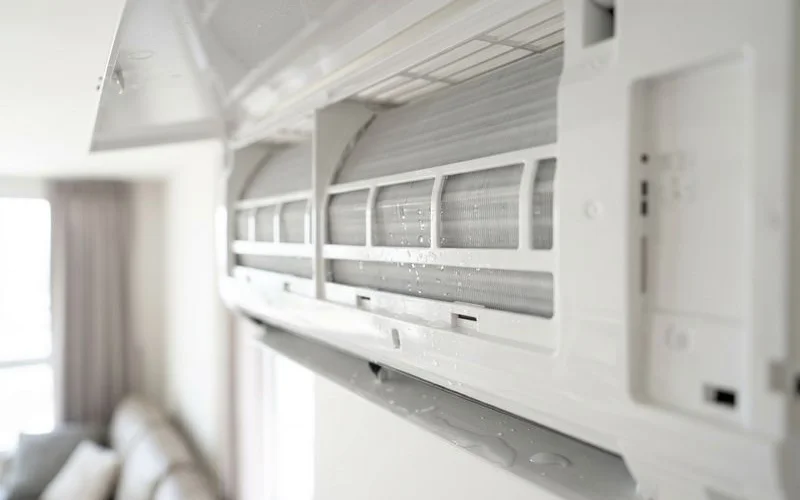
We are ready to help you resolve the situation safely. You can contact us directly via WhatsApp to schedule an urgent intervention. A professional deep clean safely neutralises the threat and restores sanitary airflow.
Maintaining a pest-free environment requires a combination of good hygiene and professional maintenance. Our goal is to ensure your family breathes safe, uncontaminated air all year round.
Ignoring a minor bug issue today often leads to expensive mechanical failures tomorrow. Understanding how to protect your aircon from pests in Singapore empowers you to take control of your indoor air quality.
We invite you to schedule your next maintenance visit today.
Book your regular aircon servicing with our expert team to secure your system against unwanted intruders.

Written by
PhilipsChief Technical Leader
Founder of Billy Aircon with 25 years of aircon servicing experience in Singapore.
Need Professional Aircon Help?
Our team of 26 experienced technicians is ready to help. 90-day warranty on all services.
WhatsApp for Instant Quote